










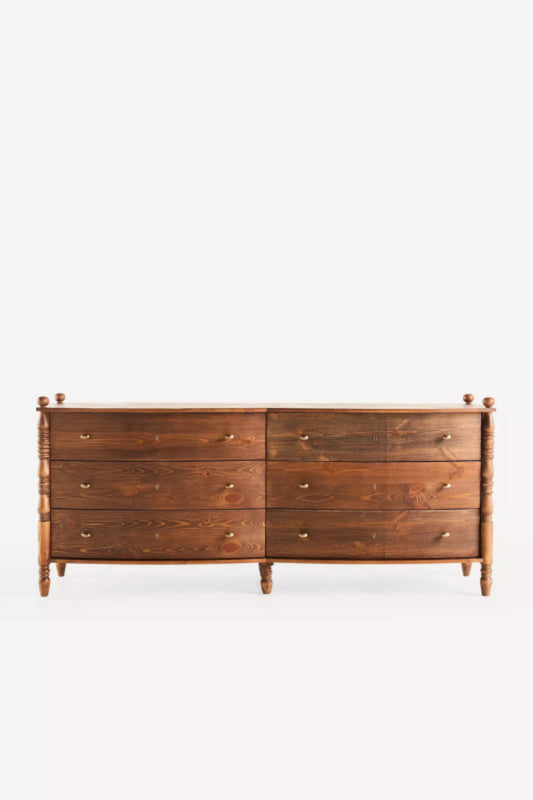

Is Mid-Century Modern furniture typically made of solid wood or veneer?
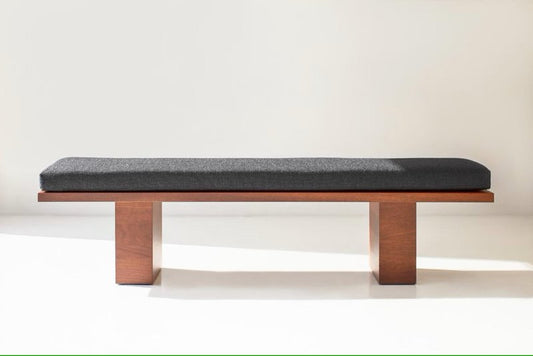
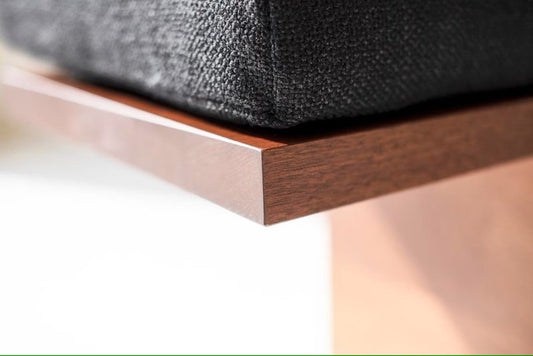
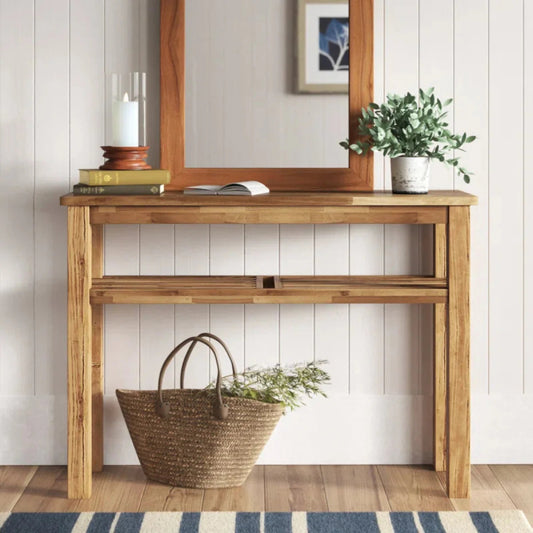
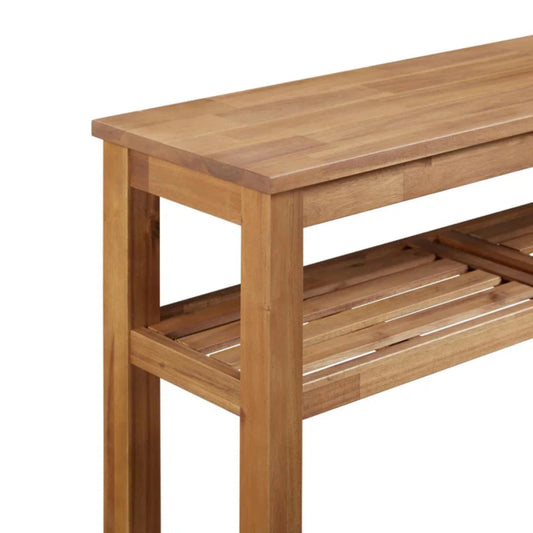
Answer: Historically, many vintage MCM pieces used high-quality veneers over secondary woods to achieve those iconic seamless surfaces. However, for the modern buyer, solid wood (like Mango, Sheesham, or Teak) is the gold standard.
Answer: Historically, many vintage MCM pieces used high-quality veneers over secondary woods to achieve those iconic seamless surfaces. However, for the modern buyer, solid wood (like Mango, Sheesham, or Teak) is the gold standard.
2. How can I tell if a piece is a high-quality MCM reproduction?
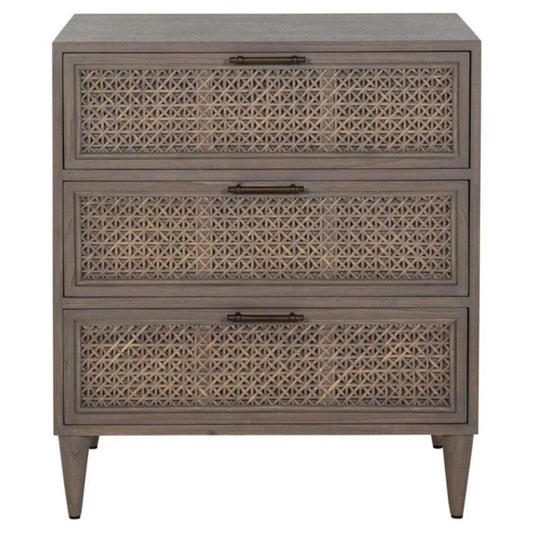
Answer: Quality lies in the details. Check the joints (look for dovetail or mortise-and-tenon joinery rather than just glue and nails) and the tapered legs. Authentic-feeling reproductions will have a balanced silhouette and a smooth, hand-sanded finish. A tell-tale sign of quality is the weight of the piece and the grain continuity across the drawers or doors.
3. Can I mix Mid-Century Modern with other styles like Boho or Industrial?
Answer: Absolutely. This is currently trending in the US as "Organic Modern" or "Modern Bohemian." The clean lines of MCM furniture act as a neutral anchor, allowing you to layer in textured Boho rugs, indoor plants, or industrial metal lighting. The key is to keep a consistent color palette—usually warm wood tones paired with earthy neutrals.
4. Is MCM furniture sturdy enough for daily use with pets and kids?
Answer: Yes, provided it is made from hardwoods.
5. Why is handcrafted MCM furniture considered a better investment?
Answer: In a world of disposable furniture, handcrafted pieces are "slow furniture." They are built by artisans using traditional techniques that machines can't replicate. A handcrafted MCM sideboard doesn't just fill a room; it holds its resale value and becomes a sustainable choice that won't end up in a landfill after three years.
6. What makes MCM furniture perfect for small apartments in cities like NYC or SF?
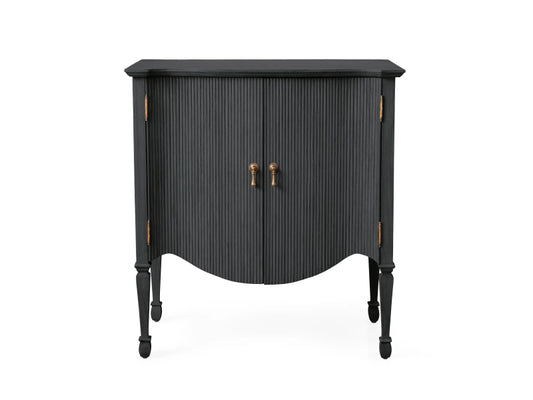
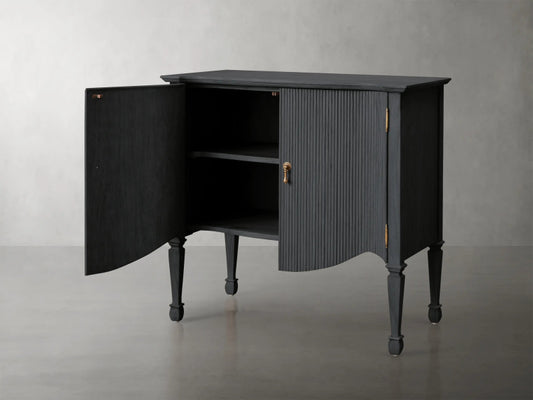
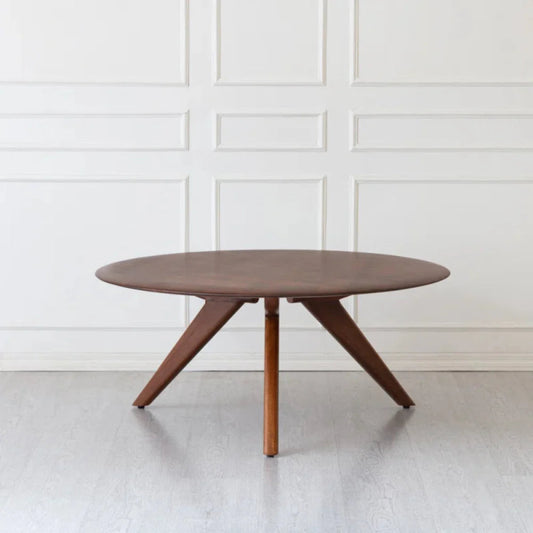
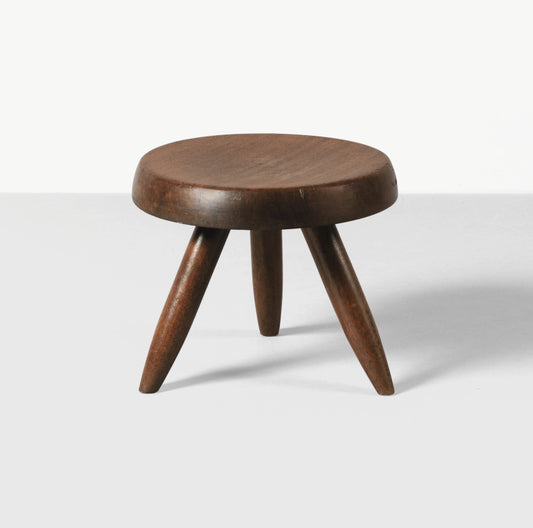
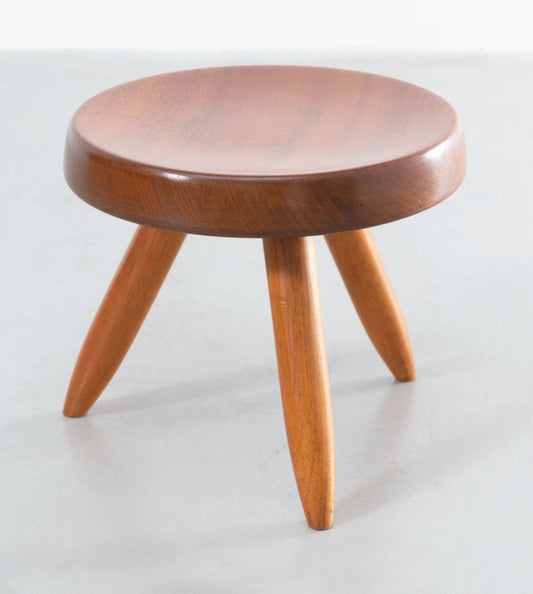
Answer: The "Leggy" Look. MCM furniture is famous for tapered legs that lift the body of the cabinet or sofa off the floor. This creates "visual flow," allowing you to see more of the floor underneath. This trick makes a small room feel much airier and more spacious than bulky, floor-length furniture would.